
What TMS is
Targeted magnetic stimulation of brain circuits involved in depression, without surgery, implants, or systemic medication. Similar in type to an MRI, but focused on mood-related brain regions.
TMS of Westchester
Transcranial Magnetic Stimulation is an evidence-based, non-invasive treatment for depression, especially when antidepressants haven't provided enough relief. Led by Dr. Lorraine Innes, one of the region's pioneers in interventional psychiatry, TMS of Westchester has performed more than 20,000 TMS treatments in Mt Kisco, New York.
Outpatient care with no downtime, most patients return to daily activities immediately after each session.
Why Patients Trust TMS of Westchester
20,000+
TMS treatments performed
Since 2010
Serving Westchester & NY
FDA-Cleared
Depression treatment
Physician-Led
Dr. Lorraine Innes
Medicare and most major commercial insurance plans accepted
You Are Not Alone
If you've tried antidepressants without lasting success, you know how exhausting the search for relief can feel. Many people have never heard of TMS, or aren't sure what it involves. TMS of Westchester was built to educate, reassure, and guide you through every step with experienced, physician-led care, not a high-volume corporate treatment center.
Our team has helped hundreds of patients across Westchester and the greater New York area since 2010. Our goal is to help you understand your options with compassion, clarity, and personalized care.
Dr. Lorraine Innes leads TMS of Westchester with decades of expertise in interventional psychiatry, emphasizing individualized treatment planning, clinical excellence, and direct access to an experienced psychiatric team.
As one of the earliest TMS providers in Westchester and greater New York, our clinic has performed more than 20,000 TMS treatments, building deep clinical experience you can trust.
We accept most commercial insurance plans and Medicare. Submit an inquiry and our team can help verify your benefits, coverage cannot be guaranteed in advance.
Who Is a Candidate?
TMS is often considered for adults with major depressive disorder, especially when medications or other approaches haven't brought enough relief. You may be a good fit if you recognize yourself in any of the following.
Every patient is unique. A clinical evaluation with our physician-led team is the best way to determine candidacy, and whether TMS, MeRT, or Accelerated TMS may be appropriate for your situation.
Physician-Led & Experienced
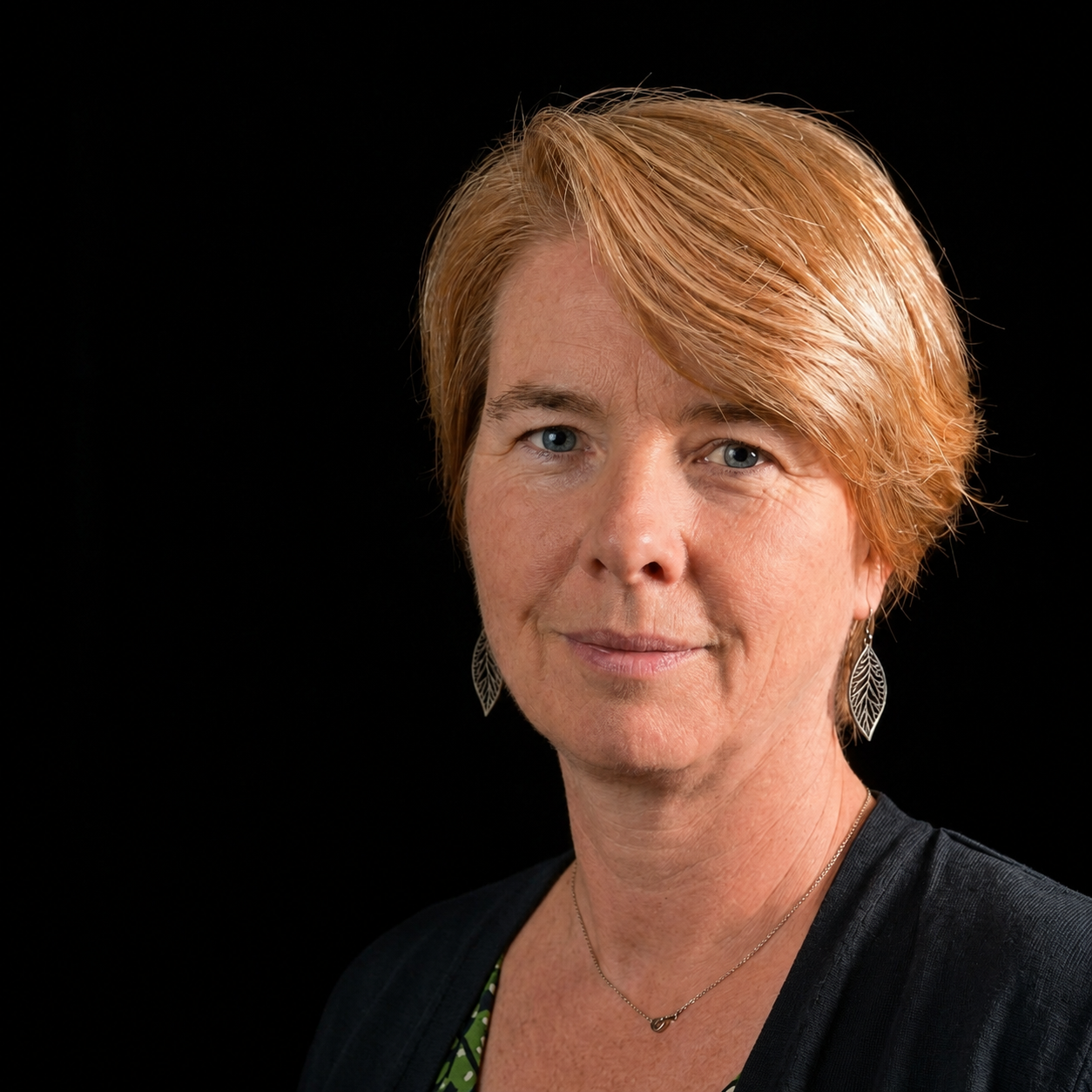
Dr. Lorraine Innes
Psychiatrist · Founder & Medical Director
Dr. Lorraine Innes is an experienced psychiatrist and one of the region's pioneers in interventional psychiatry. She founded TMS of Westchester to provide personalized, evidence-based care for patients whose depression has not improved with medication alone. Under her leadership, the practice has become a regional leader in TMS therapy, performing more than 20,000 treatments and offering advanced options including MeRT and Accelerated TMS. Dr. Innes and her team take a multi-modal approach, integrating psychotherapy, medication management, and neuromodulation to support each patient's unique path to recovery.
20,000+
TMS treatments performed
2010
Providing TMS since
FDA
Cleared treatment
6–8
Weeks typical treatment course
Individual results vary and are not guaranteed. A clinical evaluation is required to determine candidacy.
Our Practice
TMS of Westchester is a specialized interventional psychiatry practice, a welcoming Mt Kisco clinic with advanced neuromodulation technology and full-spectrum mental health services beyond TMS alone.

TMS Treatment
Non-invasive, outpatient sessions using focused magnetic stimulation, no surgery, sedation, or systemic medication.
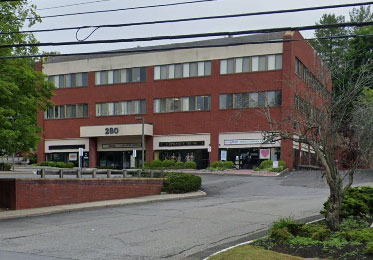
Our Mt Kisco Clinic
A comfortable, physician-led environment focused on interventional psychiatry and personalized patient care.
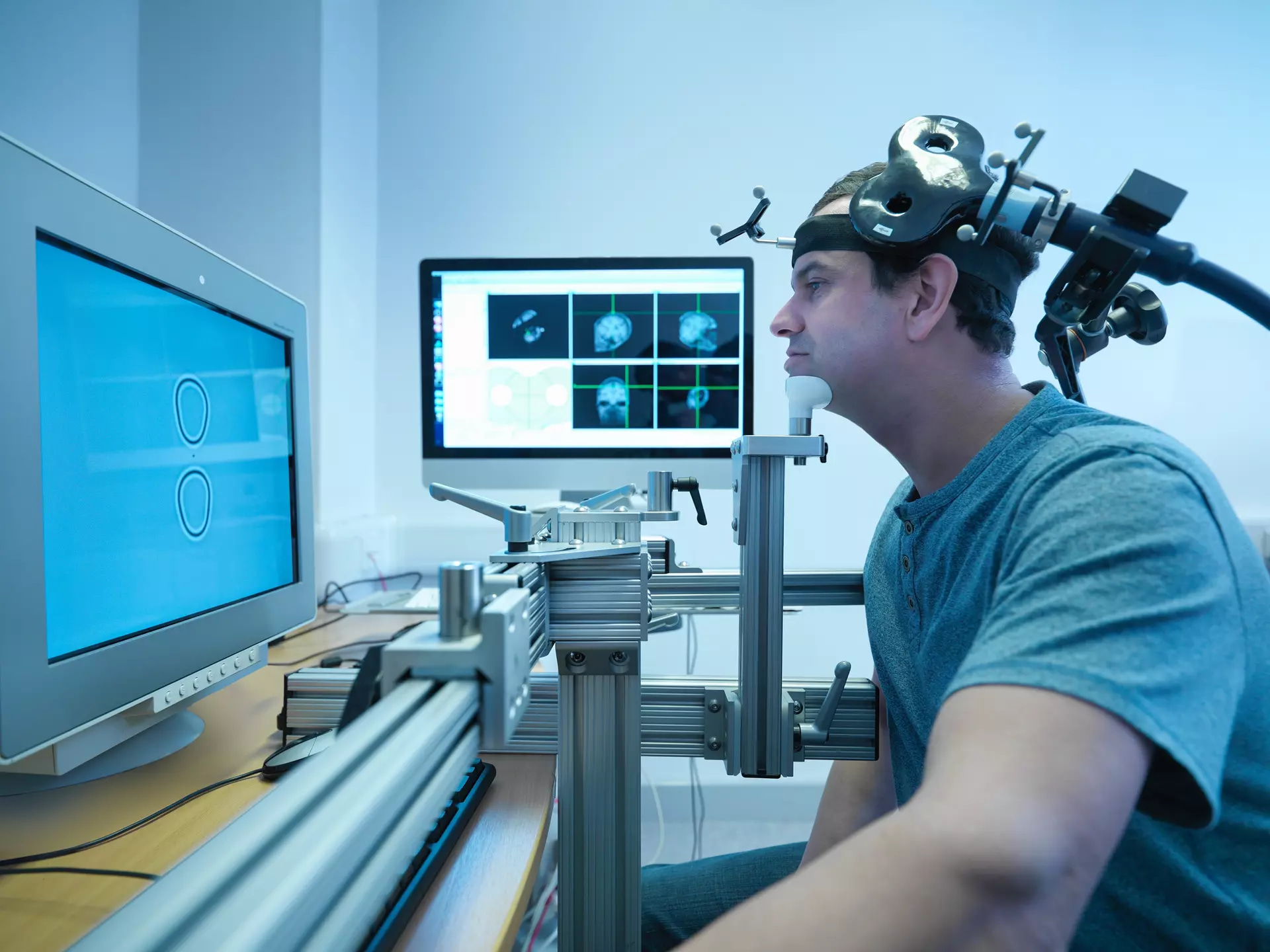
Advanced Technology
State-of-the-art neuromodulation equipment in a comfortable, physician-led outpatient setting.
In addition to TMS, our physician-led team offers MeRT, Accelerated TMS, medication management, and psychotherapy, integrated care tailored to each patient.




Personalized magnetic stimulation guided by brain mapping.
Getting Started
01
Share a few details through our confidential inquiry form. Our team will answer your questions, explain what TMS involves, and help you understand whether you may be a candidate.
02
Meet with our physician-led team to review your history, treatment goals, and insurance coverage. We'll discuss candidacy, what to expect, and create a personalized treatment plan.
03
Complete short outpatient sessions over about 6–8 weeks. Most patients resume daily activities immediately after each visit, with no recovery downtime required.

Wondering if you're a candidate?
When Medication Isn't Enough
Antidepressants help many people, but some continue to experience depression despite trying multiple medications. When symptoms persist after adequate trials, clinicians may call this treatment-resistant depression.
That's where TMS may help: a non-invasive, evidence-based option that works differently from medication, by stimulating brain areas involved in mood regulation.
What Is TMS
TMS is a non-invasive, drug-free treatment that uses magnetic pulses to stimulate brain areas involved in mood regulation. Sessions are outpatient, you remain awake, and most people return to their day afterward. It is FDA-cleared for major depressive disorder and has helped many patients who haven't found enough relief from medication alone.
Targeted magnetic stimulation of brain circuits involved in depression, without surgery, implants, or systemic medication. Similar in type to an MRI, but focused on mood-related brain regions.
Gentle magnetic pulses encourage healthier activity in areas of the brain that may be underactive in depression. No anesthesia is required, and sessions are performed right in our office.
Most patients tolerate TMS well. You may feel a tapping sensation at the treatment site. Sessions are relatively short, and you can drive yourself home and resume normal activities immediately.
TMS is often considered for adults with major depressive disorder who haven't responded adequately to antidepressants, or who want to explore a non-invasive alternative to adding more medications.
Many visitors have never heard of TMS. Here is a simple look at what happens during treatment, no surgery, no sedation, and no systemic medication.
In depression, circuits in the prefrontal cortex and related regions may be underactive. TMS targets these areas with focused magnetic pulses.
A coil placed on the scalp delivers brief magnetic pulses, similar in type to an MRI, but focused on mood-related brain regions.
Repeated sessions encourage healthier neural activity in areas that may be underactive in depression, building improvement across the treatment course.
Many patients notice changes over weeks of treatment. Timing varies, your care team monitors progress throughout your course of care.

As one of the earliest TMS providers in the region, we offer more than standard TMS. Our clinic provides MeRT (Magnetic e-Resonance Therapy) and Accelerated TMS, giving patients access to multiple advanced neuromodulation options based on their individual needs.
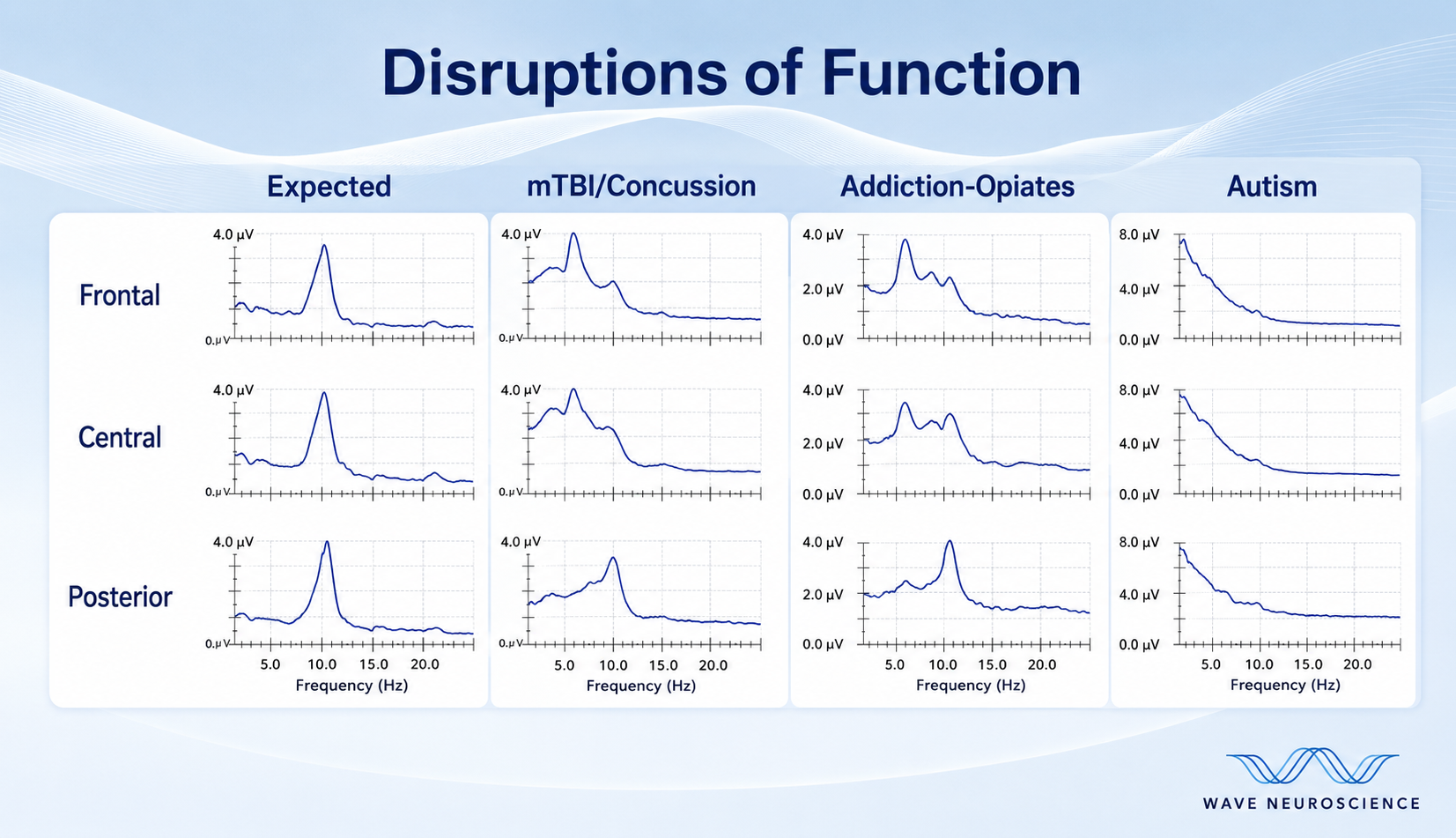
MeRT and advanced neuromodulation at TMS of Westchester
Individual results vary and are not guaranteed. A clinical evaluation is required to determine candidacy.
Common Questions
If you're new to TMS, these are the questions we hear most often.
Most patients describe it as a light tapping sensation. No anesthesia is required.
No. You remain awake during treatment and can usually drive yourself home afterward.
No. There is no downtime, and most patients resume normal activities immediately.
No. TMS is an FDA-cleared treatment for major depressive disorder and has been used in clinical practice for many years.
What to Expect
A typical TMS course spans about 6–8 weeks. Here is what happens at each stage of care, so you know exactly what to expect.
Why Choose TMS of Westchester
Led by Dr. Lorraine Innes, a regional pioneer in TMS and interventional psychiatry, offering personalized care and clinical excellence rather than a one-size-fits-all approach.
As one of the earliest TMS providers in Westchester and greater New York, our extensive experience builds credibility and reassures prospective patients considering this treatment.
Beyond standard TMS, we offer MeRT and Accelerated TMS, positioning our practice as a leader in innovative, personalized psychiatric care with multiple treatment pathways.
TMS is an evidence-based option for patients who haven't responded to antidepressants, experienced difficult side effects, or want a non-invasive alternative to adding more medications.
Many visitors are unfamiliar with TMS. We educate throughout the experience, answering common questions, addressing misconceptions, and reducing uncertainty at every step.
We accept most commercial insurance plans and Medicare. Coverage varies by plan, submit an inquiry and our team will help verify your benefits.
Individual results vary and are not guaranteed. Outcomes depend on clinical evaluation and treatment adherence.
Conditions We Treat
FDA-cleared TMS for treatment-resistant depression, especially when medications haven't helped or side effects have been hard to tolerate. This is the primary focus of our TMS program.
Our interventional psychiatry expertise extends beyond depression. MeRT and other neuromodulation approaches may support patients with anxiety, PTSD, and related conditions when clinically appropriate.
Beyond neuromodulation, we offer medication management, psychotherapy, and psychiatric evaluations, ensuring patients have access to full-spectrum mental health care.
Insurance & Access
TMS of Westchester accepts most commercial insurance plans and Medicare. Coverage is plan-specific and cannot be guaranteed in advance, but our team will help verify your benefits and discuss available options when you submit an inquiry.
Have questions about coverage? Submit an inquiry and our team will help verify your benefits, coverage cannot be guaranteed in advance.
Not sure if your plan covers TMS?
Book a Consultation
Choose a time that works for you. Our team will meet with you to answer questions about TMS and discuss next steps for your care.
Still Wondering?
That's completely normal, especially if this is your first time learning about TMS. Schedule a free consultation and our physician-led team will answer your questions with no obligation.
FAQ
Transcranial Magnetic Stimulation (TMS) uses magnetic pulses to stimulate areas of the brain involved in mood regulation. It is FDA-cleared for major depressive disorder and is non-invasive, drug-free, and performed as outpatient care in our office.
TMS acts on brain activity directly through magnetic stimulation rather than through the bloodstream. This means it carries no systemic side effects like weight gain, nausea, or cognitive impairment, making it an option when antidepressants haven't helped enough or side effects are hard to tolerate.
Most patients tolerate TMS well. Some feel a tapping sensation at the treatment site during sessions, which typically subsides quickly. No anesthesia is required.
A typical course spans about 6–8 weeks of outpatient sessions. Each visit is relatively short, and most patients resume daily activities immediately afterward. Accelerated TMS protocols may shorten the timeline for eligible patients.
MeRT (Magnetic e-Resonance Therapy) uses individualized brain mapping to deliver personalized magnetic stimulation. TMS of Westchester was among the first in New York State to offer this advanced neuromodulation option.
We accept most commercial insurance plans and Medicare. Coverage varies, submit an inquiry and our team will help verify your benefits. We cannot guarantee coverage in advance.
You'll sit comfortably while a trained clinician positions the TMS coil and delivers magnetic pulses. Sessions are outpatient, and you remain awake throughout. You can typically return to your normal routine right after.
Timing varies. Some patients notice changes within the first few weeks; others see gradual improvement over the full treatment course. Your care team will monitor progress throughout.
TMS may be appropriate if you've been diagnosed with major depressive disorder and haven't found enough relief from medications, or if you'd like to explore a non-invasive, drug-free option. A clinical evaluation with our physician-led team is the best way to determine candidacy.
Accelerated TMS compresses the treatment schedule into a shorter timeframe for eligible patients, offering a more intensive protocol when clinically appropriate. Our team can discuss whether this option may be right for you.
Transcranial Magnetic Stimulation (TMS) uses magnetic pulses to stimulate areas of the brain involved in mood regulation. It is FDA-cleared for major depressive disorder and is non-invasive, drug-free, and performed as outpatient care in our office.
Most patients tolerate TMS well. Some feel a tapping sensation at the treatment site during sessions, which typically subsides quickly. No anesthesia is required.
MeRT (Magnetic e-Resonance Therapy) uses individualized brain mapping to deliver personalized magnetic stimulation. TMS of Westchester was among the first in New York State to offer this advanced neuromodulation option.
You'll sit comfortably while a trained clinician positions the TMS coil and delivers magnetic pulses. Sessions are outpatient, and you remain awake throughout. You can typically return to your normal routine right after.
TMS may be appropriate if you've been diagnosed with major depressive disorder and haven't found enough relief from medications, or if you'd like to explore a non-invasive, drug-free option. A clinical evaluation with our physician-led team is the best way to determine candidacy.
TMS acts on brain activity directly through magnetic stimulation rather than through the bloodstream. This means it carries no systemic side effects like weight gain, nausea, or cognitive impairment, making it an option when antidepressants haven't helped enough or side effects are hard to tolerate.
A typical course spans about 6–8 weeks of outpatient sessions. Each visit is relatively short, and most patients resume daily activities immediately afterward. Accelerated TMS protocols may shorten the timeline for eligible patients.
We accept most commercial insurance plans and Medicare. Coverage varies, submit an inquiry and our team will help verify your benefits. We cannot guarantee coverage in advance.
Timing varies. Some patients notice changes within the first few weeks; others see gradual improvement over the full treatment course. Your care team will monitor progress throughout.
Accelerated TMS compresses the treatment schedule into a shorter timeframe for eligible patients, offering a more intensive protocol when clinically appropriate. Our team can discuss whether this option may be right for you.
Still have questions about TMS?
Submit an Inquiry
Submit a confidential inquiry and our physician-led team will follow up to answer your questions, discuss candidacy, and help verify insurance benefits.
100% confidential · Mt Kisco, NY · Mon–Fri 9:00 AM–5:00 PM
TMS Inquiry Form
Share a few details and our team will reach out to you.